
Overview of boxing
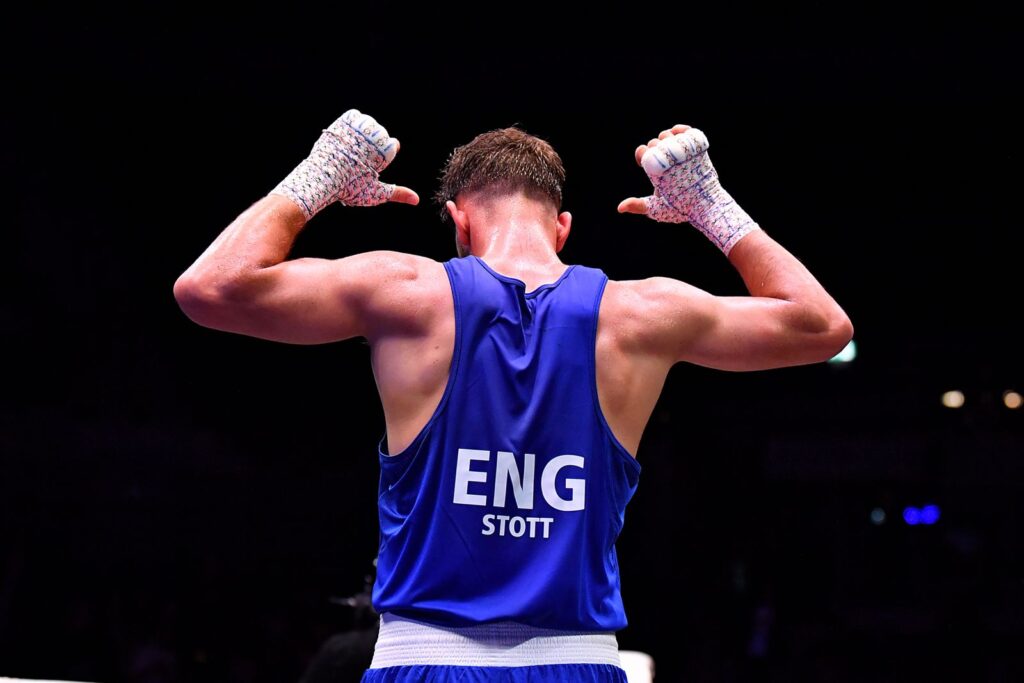
Olympic Style Boxing
This is the most common form of boxing within the IOC and World Boxing and is the one used at the Olympic Games and World and European Championships.
It is also the one practiced in the 1000+ boxing clubs in Great Britain that are affiliated to the national governing bodies (NGBs) in England (England Boxing), Scotland (Boxing Scotland) and Wales (Welsh Boxing).
All bouts take place over 3×3 minutes rounds for men and women. Competitors wear vests; women wear headguards, but since 2013 these have been removed for men for senior and elite competitions.
Three judges are used and bouts are scored using the ‘10 point must’ system. The judges will score each round, and at the end of the bout the boxer who is deemed the winner by the majority of judges will win the bout. Bouts can also be stopped by the referee in the event of injury or a serious imbalance between the boxers.

There are 10 weight classes for men and 10 for women following changes set to take place from 1 January 2025. Those highlighted in red are potential Olympic weights ahead of LA 2028. The weight classes will be:
| Male Weight Classes | Female Weight Classes |
| Flyweight, 47-50kg | Light-flyweight, 45-48kg |
| Bantamweight, 50-55kg | Flyweight, 48-51kg |
| Lightweight, 55-60kg | Bantamweight, 51-54kg |
| Welterweight, 60-65kg | Featherweight, 54-57kg |
| Light-middleweight, 65-70kg | Lightweight, 57-60kg |
| Middleweight, 70-75kg | Welterweight, 60-65kg |
| Light-heavyweight, 75-80kg | Light-middleweight, 65kg-70kg |
| Cruiserweight, 80-85kg | Middleweight, 70-75kg |
| Heavyweight, 85-90kg | Light-heavyweight, 75-80kg |
| Super-heavyweight, 90+kg | Heavyweight, 81+kg |